
If you live an active lifestyle and move around a lot, or if you are in a line of work that involves a lot of manual labor with your hands, cuts, scratches, and other similar injuries probably aren’t a foreign thing to you. Quite the contrary, they happen regularly and represent a common occurrence in your daily life. The worst thing about them isn’t the pain they cause but that they sometimes take ages to heal and can, therefore, disrupt your work routine and prevent you from achieving the maximum in whatever you’re doing. Well, fortunately, scientists might have come up with the solution you were waiting for, and they are called peptides. Read on to find out how you can use peptides for healing all sorts of injuries and speed up the recovery process beyond anything that was considered possible until now.
Can You Use Peptides for Healing?
Those of you who are interested in healthy living or follow what is going on in the fitness industry have probably already noticed that these days, everyone is talking about peptides. Initially, you might find this strange, especially if you know that they are compounds naturally produced by your body that have always been there. However, it wasn’t until recently that they came to the focus of many scientists and numerous studies around the world. Even though they are still heavily researched, and their full potential as supplements is yet to be discovered, we can already say that the answer is positive. Yes, you can consume peptides as supplements. Depending on the one you choose, they can help your body in a wide range of ways – one of them being faster wound healing. According to some of the most recent studies, one of the best peptides for healing wounds is LL-37. Not only does it have amazing antimicrobial properties (which means it can prevent all sorts of infections), but it also has vital immunomodulatory effects that can significantly contribute to the process of tissue repair and dramatically speed up your recovery. However, to choose the peptide that is the most suitable for your use case and to determine the correct dosage, it’s always a good idea to consult your doctor or some other medical professional you have access to.
How Peptides Aid Wound Healing?
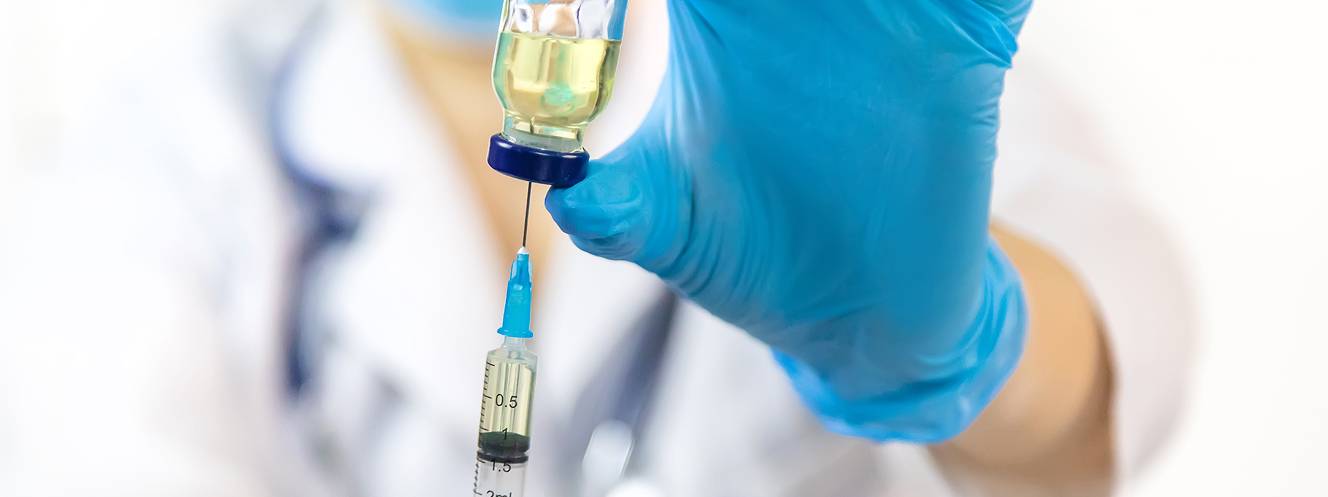
It doesn’t matter if we are talking about peptides for healing tendons or collagen peptides for wound healing, they all work in pretty much the same way. To truly and fully understand the way they behave inside your body, you would need at least two years of medical school. But, if we simplify things a bit, we can describe them as signaling molecules. In other words, they are the compounds that give your body a sign to produce certain hormones. When you inject them as a supplement, you can stimulate your organism to behave in a desired way.
In our case, when we want to improve wound healing, we will rely on peptides that trigger the production of hormones such as Insulin-Like Growth Factor 1 (IGF-1), Insulin, Growth Hormone (GH), Testosterone, and Cortisol. As a consequence, these hormones will promote cell growth and cell division, synthesis of proteins, cellular regeneration, and reduction of inflammation. Eventually, this will lead to faster and better recovery. In a more banal manner of speaking, we could say that by injecting peptides you can trick your body into thinking it is more endangered than it is, and it will, therefore, dedicate more resources to healing itself.
What Are the Best Peptides for Wound Healing?
As mentioned before, we still don’t know everything there is to know about peptides. These compounds are still the subject of a wide range of studies and experiments and their full potential will be discovered over the next few years. When it comes to their ability to improve wound healing, we have barely scratched the surface. However, despite all of that, there are already some peptides that stand out and that are regularly consumed by the general population. The most important ones are:
- LL-37 – With its unsurpassable antimicrobial and immunomodulatory properties, LL-37 deserves to be at the very top of this list. Its ability to prevent infections and maximize the immune response makes it one of the best peptides for healing injuries.
- Thymosin Beta-4 (TB-4) – It is very important when it comes to cell differentiation, migration, and proliferation. By reducing inflammation and promoting cellular processes that are crucial for wound healing, TB-4 creates a favorable environment for a speedy recovery. Consequently, many see it as one of the best peptides for healing joints.
- GHK-Cu (Copper Peptide) – Recent studies have shown that this copper peptide can stimulate collagen synthesis and improve angiogenesis (the production of new blood vessels). Together with its antioxidant properties, this can lead to a faster and more efficient tissue regeneration process.
- Epitalon (Epithalon) – Some studies indicate that Epitalon can stimulate telomerase production in your body. In other words, it can directly affect the longevity of your cells. Due to its ability to promote cellular health, some see it as one of the best peptides for healing after surgery.
- BPC-157 (Body Protection Compound-157) – If you need peptides for healing joints or peptides for gut healing, look no further. BPC-157 has amazing angiogenic and anti-inflammatory properties. This means it can speed up the recovery of all sorts of tissues including tendons, muscles, and the gastrointestinal tract. And, since it can increase collagen production (collagen is crucial for bone health and bone density), it is often described as one of the most important peptides for bone healing.
All things considered, peptides can help you heal in a wide range of ways. And, what’s even more important, they can make your body more resistant to future injuries. As time goes by, and as the research intensifies, it is very likely that there will be more similar compounds you can rely on to improve your wound healing. You should, therefore, do your best to stay up to date with the latest findings in this field.
Are Peptides for Wound Healing Safe to Use?
All of the peptides that you can currently legally buy in pharmacies around the world are compounds that are naturally produced by your body. As such, they should not pose any threat to your organism, or cause any unwanted side effects. However, keep in mind that, just as any other supplement, they should be consumed in moderation. The specific needs of your body can significantly differ from the needs of someone else who is a bit older, has more body fat, has different habits, or has different chronic conditions. To make sure you get the most out of this supplement, don’t hesitate to ask for advice from your doctor or some other healthcare professional in your area. They will help you pick the peptide that is perfectly suitable for your needs and determine the dosage that will give the best results.